
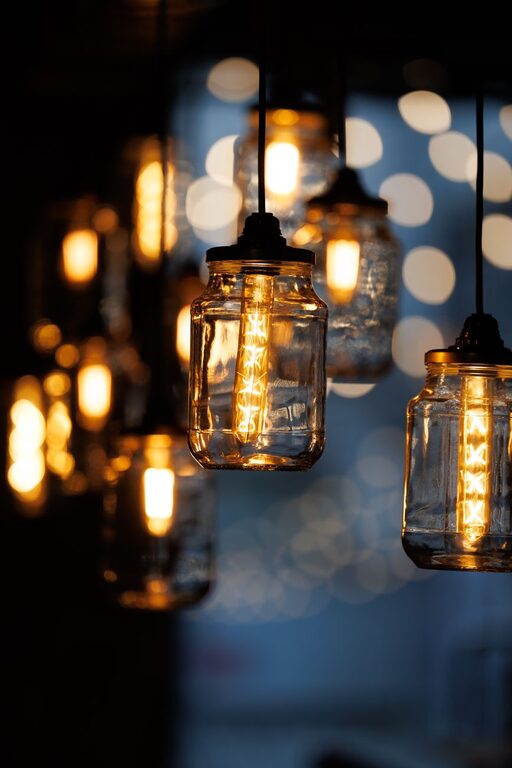
Creating a comfortable home environment is about more than just furniture and decor—it’s also about lighting. The right lighting can make your space feel cozy, functional, and visually appealing. However, choosing lighting that is both comfortable and effective can be a bit overwhelming given the range of options available. In this post, we’ll explore practical tips to help you select the best home lighting that enhances comfort and style.
Why Comfortable Lighting Matters
Comfortable lighting affects both the look and feel of your home. Good lighting helps reduce eye strain, enhances mood, and makes your space more inviting. Whether you’re reading a book, cooking dinner, or just relaxing, the right lighting can improve your overall experience in each room.
Understand Different Types of Lighting
Before selecting fixtures or bulbs, it’s useful to understand the three main types of lighting used in homes:
1. Ambient Lighting
This is the general, overall light that fills the room. Typically, ceiling fixtures or recessed lights provide ambient lighting. It creates a uniform level of illumination and sets the tone for the space.
2. Task Lighting
Task lighting focuses on specific areas where activities like reading, cooking, or working happen. Desk lamps, under-cabinet kitchen lights, and vanity lights are good examples.
3. Accent Lighting
Accent lighting highlights particular features such as artwork, architectural details, or plants. It adds depth and visual interest to your home.
Balancing these types provides a layered lighting setup that enhances comfort and functionality.
Tips for Choosing Comfortable Home Lighting
Consider the Color Temperature
Color temperature is measured in Kelvins (K) and describes the warmth or coolness of light:
– Warm Light (2700K–3000K): Creates a cozy, relaxing atmosphere ideal for living rooms, bedrooms, and dining areas.
– Neutral Light (3500K–4100K): Offers a balance that works well in kitchens and bathrooms.
– Cool Light (5000K–6500K): Mimics daylight and is suitable for task-oriented spaces or home offices.
For comfort, warmer light tones usually feel more inviting and restful, especially in spaces where you unwind.
Choose the Right Brightness
Brightness is measured in lumens. The higher the lumens, the brighter the light. Here’s a rough guide for common rooms:
– Living room: 1,500–3,000 lumens total
– Kitchen: 3,000–4,000 lumens total
– Bedroom: 1,000–2,000 lumens total
– Bathroom: 4,000–8,000 lumens total
Adjust brightness based on the room’s size and purpose. Avoid overly bright lights in relaxation areas to maintain comfort.
Use Dimmers for Flexibility
Installing dimmer switches allows you to adjust light levels easily throughout the day or for different activities. Dimmers help create a soothing ambiance and save energy.
Select Lighting Fixtures That Diffuse Light
Fixtures with lampshades, frosted glass, or diffusers soften the light and reduce glare. Harsh, direct lighting can cause discomfort and eye strain. Consider pendant lights with diffusers or shaded lamps for gentle illumination.
Mind the Placement and Height
Position your lights where you need them most. For example:
– Hanging pendant lights over dining tables or kitchen islands at about 30–36 inches above the surface.
– Placing floor or table lamps next to seating areas for reading.
– Using wall sconces to add ambient or accent lighting without occupying floor space.
Proper placement ensures even light distribution and prevents harsh shadows.
Match Lighting to Your Home’s Style
While comfort is key, selecting fixtures that complement your decor helps create a harmonious look. Whether you prefer modern, rustic, or minimalist styles, there are lighting options that blend well with your home’s aesthetic.
Consider Energy-Efficient Bulbs
Opt for LED bulbs which consume less energy, produce less heat, and last longer than traditional incandescent bulbs. Many LEDs come in warm color temperatures and are compatible with dimmers.
Layer Your Lighting
Combine ambient, task, and accent lighting to provide versatility and visual interest. For instance, a living room might have overhead ambient lights, a reading lamp beside a chair, and a spotlight on artwork.
Avoid Blue Light in the Evening
Blue light from some LEDs or screens can interfere with sleep. Choose bulbs labeled “warm white” or with reduced blue light for evening use, especially in bedrooms.
Additional Considerations
– Natural Light: Maximize daylight by using sheer curtains or keeping windows unobstructed during the day.
– Smart Lighting: Consider smart bulbs or systems that allow you to adjust brightness and color temperature via apps or voice control.
– Maintenance: Choose fixtures and bulbs that are easy to clean and replace for long-term convenience.
Conclusion
Choosing comfortable home lighting is about creating a balance between function, style, and atmosphere. By understanding different lighting types, considering color temperature, brightness, and placement, and layering your lighting thoughtfully, you can transform your home into a warm and inviting space.
Experiment with different setups to find what feels best for you and your family. Remember, comfortable lighting sets the mood, supports your activities, and makes your house truly feel like home.